Meth Lab Cleanup
Residue tests, decontamination and clearance procedures are all part of meth lab cleanup.
See meth lab cleanupGet mold, moisture damage, cultivation debris, chemical residue and odor assessed after indoor marijuana growing in Hollow Creek. Cleanup starts after the property is released and safe to enter.

Marijuana grow house cleanup remediates a property used for indoor cultivation. The work addresses excessive moisture, mold, lingering odor, fertilizer or pesticide residue, abandoned equipment and construction materials harmed by the operation.
Walls, floor assemblies and air passages may conceal contamination after a grow house has been emptied. Moist air can sustain mold affecting drywall, insulation or framing. A leaking irrigation setup may damage the finished floor and the subfloor beneath it. Dust, holes and changed electrical components from fans, ductwork or lighting must be evaluated separately by a suitable trade.
The cleanup process begins only after law enforcement or another authority has released the property when a seizure occurred. Cleanup technicians then define the affected area, document visible conditions and separate remediation from electrical, plumbing and structural repairs. Grow house cleanup involves biohazard remediation only when the inspection finds needles, bodily fluids or other biological contamination. Unknown chemicals are not guessed at or mixed. They are identified and routed for suitable hazardous waste disposal when necessary.
Crews use unmarked vehicles and, where entry allows, can shield the work area from public view.
Photos and room records, including removal details, show completed work to the property manager, insurance company and later trades.
Fixtures, documents and personal property are sorted with you when safe, so removal decisions match ownership and condition.
Have the service explain before starting what the cleaning process includes, what requires another trade and which conditions may change the scope. The cleaning service should clearly state where its work begins and ends.
Grow house cleaning services are needed when indoor cultivation leaves conditions that ordinary housekeeping cannot correct safely. Every situation is different, but common examples include:
The released building still contains debris, affected materials and equipment used for cultivation.
Visible growth or a musty smell now affects insulation, framing, carpet, ceilings or walls after leaks and humid conditions.
A warehouse or other commercial property needs cultivation materials removed and affected areas prepared for repair.
Careful sorting and a suitable disposal route are needed for pesticides, fertilizers, fuel and containers without labels.
Confirm the person or agency with authority over the property, then protect access to it. Any emergency action involving the utility company, police or fire crews has priority. Complete the steps below before allowing cleanup technicians to enter.
Call (888) 440-9227No dedicated grow-house cleanup range appears in published guides. General biohazard cleanup guides, used only for comparison, place the residential average between $1,800 and $4,500 and the typical national range between $3,000 and $5,000 while many residential jobs fall between $2,500 and $8,000 in those guides. These ranges are not grow-house pricing. Testing, chemical disposal, mold removal, reconstruction and electrical repairs can alter the final scope.
These national ranges are taken from published cost guides, rather than a property visit. You learn what your property will cost after the on-site assessment and before any work begins.
Ask about cost: (888) 440-9227Whether the policy covers cleanup depends on applicable exclusions, what caused the loss and who conducted the grow. Only an insurance company can decide claim coverage. For this work, insurance assistance is limited to organizing invoices, photos and scopes. It does not include deciding what the policy covers. Do not presume that tenant damage, mold, gradual moisture or illegal activity qualifies.
Ask about covered causes, pre-cleanup inspection rules, adjuster documentation and separate policy limits for different repair categories.
Keep release documents, room photos, the cleanup scope, disposal records and invoices. These records can help an adjuster, attorney or property manager understand the work.
Tell the insurance company what you found, asking separately about water damage, mold, vandalism and contamination. Keep your claim number along with the insurer's policy response.
Access and cleaning at a rental are usually arranged by its owner. The lease terms, policy outcome and any recovery pursued against a tenant can affect responsibility for expenses.
Remediation proceeds in a controlled sequence, with the inspection determining the specific scope. You should get details about every stage, documentation of changes and updates from start to finish. Chemical waste, mold remediation, building restoration and electrical repairs may need separate specialists.
Technicians confirm access, walk the property without disturbing unknown materials and note moisture, visible mold, odor, debris and damaged surfaces.
Using photos and notes by room, the scope marks affected areas, items that stay, materials to remove and conditions needing building, plumbing or electrical trades.
Containment isolates each work space from surrounding areas. Air management and protective equipment are chosen for actual conditions, not one preset configuration.
Pots, tubing, plastic, lamps and other cultivation materials are sorted. Appropriate disposal channels are used for sharps, unidentified substances and waste subject to regulation.
The moisture source is addressed, then moldy drywall, insulation, carpet or other materials that cannot be fully cleaned are removed under containment.
As conditions allow, remaining solid surfaces receive damp cleaning and HEPA vacuuming. Dust and deposits are taken off framing, cabinet surfaces, ledges and air pathways that can be reached.
Air treatment follows the removal of odor-producing sources. HEPA air scrubbers and carbon filtration can support particle and odor control while affected materials are cleaned.
The cleaned area is checked against the agreed scope. The handoff to restoration services and the electrical, plumbing and HVAC trades is supported by photos and removal records.
Call any hour. A specialist in marijuana grow house cleanup takes your call, explains each step and agrees on a start time with you.
The main health risks and property concerns in a former grow house are mold, moisture, unknown chemical residue, unsafe building changes and contaminated materials left behind. Serious health risks depend on the materials and conditions found, so keep people out until the property is assessed.
In warm rooms with damp conditions, mold can grow inside concealed cavities and across porous materials. The EPA says wet materials may support mold growth within 24 to 48 hours, which makes moisture control the first priority.
Added lights, cords, fans, ducts and bypassed circuits can create shock or fire concerns. An electrician still needs to evaluate the system and complete code work beyond cleanup.
Your lungs, skin and eyes may become irritated by fertilizers and pesticides. Because an unlabeled container could contain another substance, never smell, open, combine or empty it into a drain.
Can you clean it yourself? Intact equipment that is empty and minor amounts of dry potting mix may be ordinary waste after property release. Stop and seek professional cleanup if you notice sharp objects, mold, water accumulation, unlabeled chemicals, electrical damage or residue covering absorbent materials.
Sound, non-porous items may be cleaned when their surfaces can be reached. Moldy, water-damaged or deeply odor-affected porous materials may need removal.
No single timeline is reliable for every property. Dry debris confined to a limited room requires less time than widespread mold, altered utilities, unknown chemicals and building materials requiring removal.
| Scene | Typical time on site |
|---|---|
| Limited debris and surface residue | A site assessment and an agreed scope determine timing |
| Mold and moisture spanning several spaces | Timing depends on containment, drying and material removal |
| Chemicals, damaged utilities or reconstruction | Separate trades, testing or official clearance may extend the project |
Removing odor requires taking away its sources first, including wet soil, plants, chemical residue, moldy material and other affected contents. Adding fragrance does not fix residue, moisture or contamination that remains within porous finishes.
After all sources have been removed, remaining hard surfaces and air pathways within reach are cleaned. Fine particles are captured by HEPA equipment, and activated carbon may help reduce odor left behind. Duct materials and HVAC equipment that served cultivation rooms need inspection before use. Treating odor does not take the place of repairing wet materials or remediating mold.
The full marijuana grow house cleanup guide covers what is cleaned or removed, odor and air quality work, and the rules that apply in your state.
Read the full marijuana grow house cleanup guideContainment, entry and cleanup plans can be influenced by local housing, population and access details.
In an area with 4.9% renter occupancy, direct homeowner approval can simplify choices about opening walls or replacing affected finishes.
The local median home dates to 1967, making a room by room material assessment more useful than one cleaning method everywhere.
A 12.4% share living alone still matters because delayed discovery can increase odor movement and the amount of affected material.
A single-family share of 100.0% makes private entrances useful for discreet equipment movement during a sensitive cleanup.
Ask on the call about cleanup options for neighboring communities and ZIP codes.
Residue tests, decontamination and clearance procedures are all part of meth lab cleanup.
See meth lab cleanup
Hazmat cleanup of hazardous materials with the right protective equipment.
See hazmat cleanup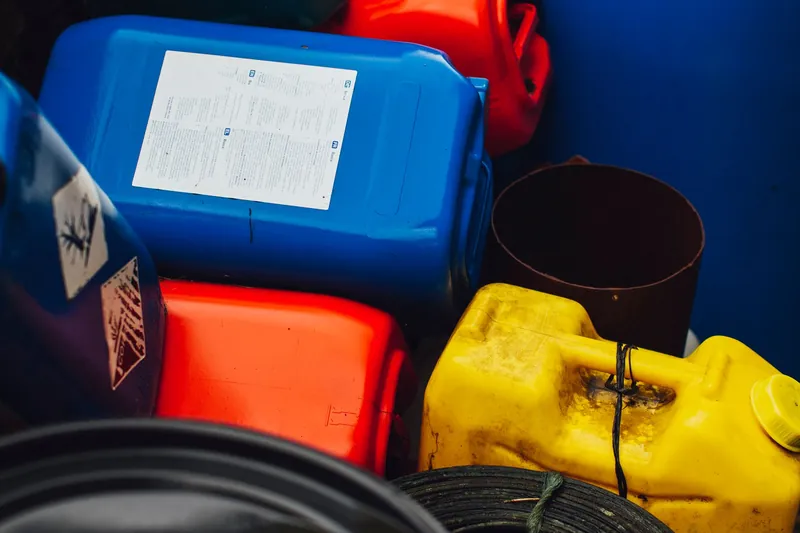
Toxic and chemical waste cleanup includes safe disposal.
See chemical and toxic waste cleanup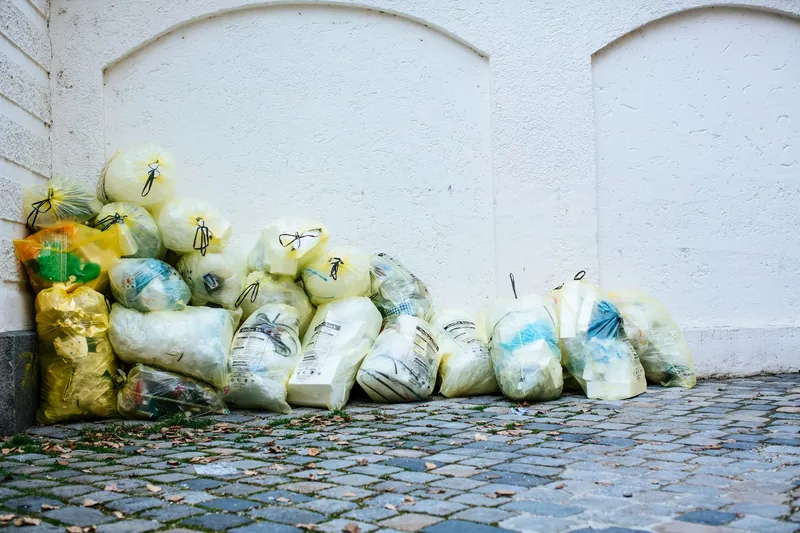
Needles, drug residue and pipes are removed from properties and rental units.
See drug paraphernalia cleanup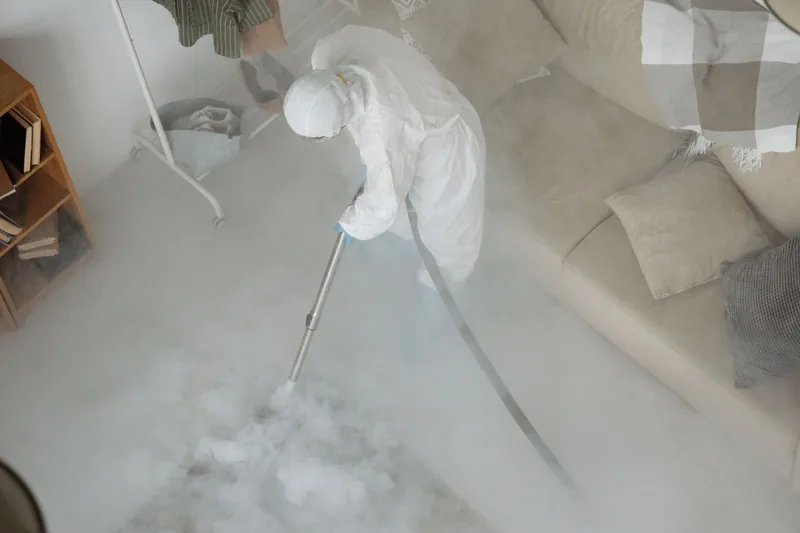
Complete decontamination treats the room, its surfaces and the air after a hazardous or infectious exposure.
See biohazard decontamination
Affected rooms, vehicle interiors and surfaces are decontaminated after fentanyl exposure.
See fentanyl decontamination
Commercial and industrial biohazard cleanup with minimal downtime.
See commercial and industrial biohazard cleanup
Cleanup removes sharps and needles from parks, rental sites, yards and encampments.
See needle and sharps cleanupIf the site has been released and is hazard-free, simple dry debris might be manageable. Professional cleanup is appropriate when there is mold, water damage, unknown chemicals, sharp objects, altered electrical work or residue across several surfaces. A separate repair trade, such as an electrician, may also be necessary.
Odor removal begins with plants, wet soil, residue and affected porous materials. Remaining surfaces and accessible air pathways are cleaned. Particles can be captured through HEPA filters, and activated carbon may help with lingering odor. Source removal, moisture control and mold work cannot be replaced by fragrance.
Room count, hidden damage, moisture, mold, chemical waste and needs for testing or other trades all affect timing. A site assessment is needed before a useful schedule can be set. Electrical, reconstruction, HVAC and plumbing tasks may continue after cleanup is done.
Mold remediation may be included when the agreed scope covers it. After correction of the moisture source and containment of affected areas, materials beyond full cleaning are removed. Widespread or concealed growth may require added investigation, and reconstruction begins only after remediation and drying are complete.
Whether coverage applies depends on exclusions, policy wording and loss cause, including mold, gradual damage, illegal acts or tenant activity. Tell the insurer what happened and request a decision in the claim record. Give the adjuster access to your photos, property release papers, cleanup scope and bills.
No distinct grow-house cleanup range appears in published guides. Published general biohazard cleanup benchmarks place the residential average range at $1,800 to $4,500 and list $2,500 to $8,000 for many residential projects. Those figures are comparisons only, not a grow-house quote.
You can request respectful, discreet marijuana grow house cleanup 24 hours a day, and crews use unmarked vehicles.